





Your business has a great product, a polished website, and a team ready to deliver. But online, it feels like no one is noticing. Leads are slow, sales are stagnant, and every marketing dollar feels like a gamble. You've probably heard of SEO and SEM, but which one actually drives growth for your business?
Here's the reality: SEO builds long-term authority and drives steady, organic traffic, while SEM puts your brand in front of high-intent buyers immediately. Both have immense value, but knowing when and how to use them can be the difference between wasted spend and measurable results.
This guide cuts through the confusion. We'll break down SEO vs SEM, explore their costs, benefits, and real-world examples, and show how a smart, integrated strategy can generate leads faster, increase conversions, and maximize ROI. By the end, you'll know exactly where to invest your marketing resources to get results—and why combining SEO and SEM could be the smartest growth decision your business makes this year.
What is SEO?
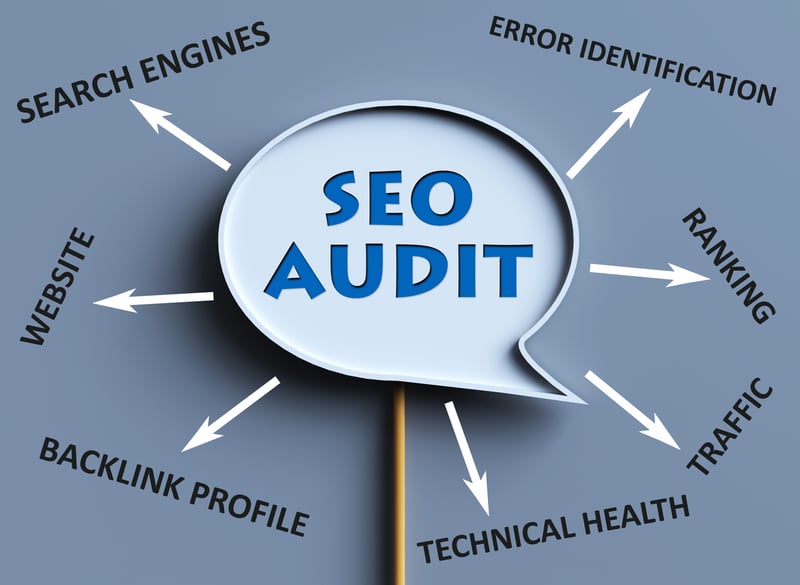
Search Engine Optimization, commonly known as SEO, is the practice of optimizing a website to improve its visibility in organic search engine results. Unlike SEM, which relies on paid advertising, SEO focuses on attracting visitors naturally through search engines like Google, Bing, and Yahoo. Understanding SEO is essential for businesses evaluating digital marketing strategies, especially when comparing SEO marketing vs SEM. SEO can be applied across organizations of all sizes, from small businesses to large enterprises, making enterprise SEO vs SEM considerations critical for long-term digital growth.
SEO encompasses a variety of strategies designed to improve a website's search engine ranking. These strategies are generally grouped into three main types:
- On-Page SEO: This involves optimizing the content and HTML elements of a website. Key components include keyword research and placement, meta titles and descriptions, header structure, image optimization, internal linking, and user-friendly URLs. On-page SEO ensures that search engines understand the context and relevance of each page, which is crucial for ranking higher in search results.
- Off-Page SEO: Off-page SEO focuses on building a website's authority and trustworthiness through external signals. This includes link building, social media promotion, influencer outreach, guest blogging, and online reputation management. High-quality backlinks and mentions from authoritative websites enhance domain authority, which is a major ranking factor for search engines.
- Technical SEO: Technical SEO addresses the underlying infrastructure of a website to ensure search engines can crawl, index, and rank content efficiently. This includes website speed optimization, mobile responsiveness, structured data implementation, secure HTTPS protocols, XML sitemaps, canonical tags, and resolving crawl errors. Technical SEO forms the foundation for both on-page and off-page optimization efforts, ensuring a seamless experience for users and search engines alike.
Benefits of SEO
SEO provides several strategic advantages for businesses. One of the primary benefits is generating consistent organic traffic. Unlike paid campaigns, which stop delivering results when the budget ends, high-quality SEO can bring a steady stream of visitors over time.
SEO also delivers long-term ROI. While it may require upfront investment in content creation, website optimization, and link building, the returns often outweigh initial costs, particularly when compared to paid search campaigns. For enterprises weighing enterprise SEO vs SEM, SEO offers scalable results without ongoing advertising spend.
Another key benefit of SEO is credibility. Ranking highly in search results signals to users that a website is authoritative, trustworthy, and relevant. High visibility in organic results enhances brand reputation and builds consumer confidence, which is essential in competitive markets.
What is SEM?
Search Engine Marketing, or SEM, is a digital marketing strategy focused on increasing a website's visibility through paid search advertising. Unlike SEO, which targets organic search traffic, SEM uses paid campaigns to appear prominently on search engine results pages (SERPs). Understanding SEM is crucial for businesses comparing sem vs seo marketing or evaluating the broader landscape of seo vs sem marketing strategies. SEM allows companies to reach their target audience quickly, providing measurable results and high levels of control over campaign performance.
SEM primarily relies on pay-per-click (PPC) advertising platforms such as Google Ads and Bing Ads. Advertisers bid on relevant keywords, ensuring that their ads appear when users search for specific products, services, or solutions. While SEM campaigns require ongoing investment, they provide immediate visibility and traffic, making them particularly effective for businesses aiming to generate quick leads or conversions.
SEM strategies can be grouped into several key components:
- Paid Search Ads: Text-based ads that appear at the top or bottom of SERPs. These ads are triggered by keyword searches and charged on a per-click basis. Paid search campaigns allow precise targeting based on keywords, location, device, and audience demographics.
- Display Advertising: Visual banner ads that appear across websites within advertising networks. Display campaigns support brand awareness and remarketing strategies, complementing search-focused SEM campaigns.
- Shopping Ads: For e-commerce businesses, shopping ads showcase products directly within search results, integrating pricing, images, and promotions. This approach combines SEM targeting with product-specific marketing.
- Retargeting Campaigns: SEM also includes retargeting strategies that show ads to users who have previously visited a website, increasing the likelihood of conversions and reinforcing brand visibility.
Benefits of SEM
SEM provides businesses with several immediate advantages. One of the most significant benefits is the ability to drive instant traffic. Unlike SEO, which can take months to generate results, SEM campaigns can deliver leads and visibility as soon as the ads go live.
Another key advantage is measurable ROI. Platforms like Google Ads provide detailed analytics, including impressions, click-through rates, conversion rates, and cost-per-acquisition. Businesses can monitor performance in real time and adjust campaigns to maximize results. SEM is particularly effective for companies comparing seo marketing vs sem, as it enables direct measurement of campaign effectiveness.
SEM also offers precise audience targeting. Marketers can define campaigns based on search intent, geography, device type, demographics, and even time of day. For enterprises assessing enterprise SEO vs SEM strategies, SEM provides scalable control over budget allocation and campaign reach.
SEO vs SEM: Key Differences

Understanding the differences between SEO and SEM is essential for businesses planning their digital marketing strategy. While both aim to increase visibility on search engines, their approaches, costs, timelines, and measurable results vary significantly.
Comparing seo vs sem, sem vs seo marketing, and seo marketing vs sem enables marketers to make informed decisions about resource allocation, campaign strategy, and growth objectives.
Organic vs Paid Visibility
SEO focuses on building organic search rankings through high-quality content, optimized site architecture, and authoritative backlinks. It relies on search engines' algorithms to rank content based on relevance, authority, and user experience. Because SEO is algorithm-driven, rankings are earned over time and are less susceptible to sudden changes in spending, providing sustainable visibility.
SEM, in contrast, is primarily paid. Ads appear at the top of search engine results pages (SERPs) and are often marked as “Ad” to distinguish them from organic listings. SEM campaigns give marketers the ability to appear for highly competitive or high-value keywords immediately, bypassing the months-long process of organic ranking. For businesses evaluating seo vs sem organic vs paid, this distinction is crucial for understanding where to focus budget and effort depending on campaign goals.
Moreover, SEO often drives traffic from informational and intent-driven searches, whereas SEM can be precisely aligned with transactional or conversion-oriented queries. This targeting flexibility allows SEM campaigns to capture potential customers at specific stages of the buying cycle.
Cost and ROI
SEO primarily requires upfront investment in content creation, technical optimization, and link-building efforts. While these activities may demand significant time and expertise, the resulting organic traffic is cost-effective over the long term. Once a page ranks, it can continue to generate traffic without additional spend, making it highly scalable for enterprises comparing enterprise SEO vs SEM strategies.
SEM operates on a pay-per-click (PPC) model. Advertisers pay each time a user clicks on an ad, and costs can vary significantly depending on keyword competitiveness, geographic targeting, and industry. Although SEM can deliver rapid returns, campaigns require continuous budget allocation to maintain visibility. Over time, the cost of SEM may surpass that of a well-optimized SEO strategy, especially for highly competitive industries.
Analyzing the ROI of each strategy depends on objectives: SEO offers sustainable long-term returns with compounding value, whereas SEM provides immediate results that can be fine-tuned and measured in real time.
Speed of Results
The speed at which results are achieved differs drastically between SEO and SEM. SEO is a gradual process; establishing domain authority, producing high-quality content, and building backlinks can take several months. However, the long-term benefits include:
- Stable search rankings
- Continuous traffic
- Increased brand authority
SEM delivers results almost instantly. As soon as campaigns are launched and ads are approved, businesses can start generating traffic, leads, and conversions. This makes SEM ideal for time-sensitive campaigns such as product launches, seasonal promotions, or highly competitive industries where waiting for organic ranking improvements would be impractical.
For enterprises evaluating seo vs sem which is better, speed considerations are often a decisive factor in choosing the right mix of channels.
Targeting and Strategy
SEO targets a broader audience by optimizing for keywords, search intent, content relevance, and user experience. It enhances website authority and builds trust over time, creating a strong foundation for long-term digital marketing success.
SEM allows precise targeting based on keyword selection, demographic characteristics, location, device type, time of day, and user behavior. This granular control allows businesses to reach highly specific audiences and adjust campaigns dynamically to maximize performance.
Many organizations adopt a hybrid approach, leveraging both SEO and SEM. For example, SEO can establish organic authority for foundational content, while SEM campaigns amplify high-value pages, retarget users, and capture immediate demand. This integration is particularly effective when comparing seo vs sem vs ppc or seo vs sem vs smm, as it creates a comprehensive digital marketing ecosystem where each channel complements the other.
SEO vs SEM Comparison Table
|
Feature |
SEO |
SEM |
|
Traffic Type |
Organic |
Paid |
|
Cost |
Low ongoing cost, high initial effort |
Pay-per-click, ongoing budget required |
|
Time to Results |
Months |
Immediate |
|
Sustainability |
Long-term |
Short-term, stops when budget ends |
|
Targeting |
Keyword and content-focused, intent-driven |
Keyword, demographic, geographic, device-specific, retargeting possible |
|
Measurability |
Moderate; relies on analytics, rankings, and traffic data |
High; real-time metrics including CTR, conversion rate, cost per acquisition |
|
ROI |
High over time, compounding value |
Immediate, dependent on budget and bidding strategy |
|
Best For |
Brand authority, sustainable growth, educational content |
Immediate leads, high-intent search traffic, seasonal or promotional campaigns |
When to Use SEO vs SEM
Choosing between SEO and SEM requires evaluating business objectives, budget, timeline, and market competition. SEO is ideal for businesses seeking long-term visibility, authority, and sustainable organic traffic. It works best for:
- Content-driven industries
- Enterprises seeking to scale their online presence
- Brands prioritizing credibility and user engagement.
SEM is better suited for companies requiring immediate results, targeting competitive keywords, or running time-sensitive campaigns. It is also effective for testing new products, validating keyword value, or complementing SEO efforts with targeted paid amplification. Many enterprises combine SEO and SEM, aligning long-term growth strategies with short-term demand generation, and integrating seo vs sem vs ppc strategies for maximum impact.
SEO vs SEM vs Other Marketing Channels
Most businesses today need to consider more than just SEO and SEM to achieve maximum visibility and ROI. Comparing seo vs sem vs smm, sem vs seo vs social marketing, and seo vs sem vs smo provides marketers with a broader perspective on how these channels complement each other. Each channel has unique strengths, targeting capabilities, and roles within a holistic digital marketing strategy.
SEO vs SEM vs Social Media Marketing (SMM)
Social Media Marketing (SMM) involves leveraging platforms like Facebook, Instagram, LinkedIn, Twitter, and TikTok to engage audiences, drive traffic, and generate leads. While SEO targets search engines and SEM focuses on paid search results, SMM emphasizes audience engagement, brand awareness, and community building.
Key differences include:
- Targeting: SMM enables demographic, interest-based, and behavior-driven targeting, whereas SEO and SEM focus primarily on keyword intent.
- Cost Structure: SMM campaigns may involve paid advertising, influencer partnerships, or content creation costs, similar to SEM, but organic engagement on social platforms can also yield significant results over time.
- Engagement Metrics: SMM success is measured through likes, shares, comments, click-throughs, and conversions, whereas SEO and SEM focus more on search traffic, rankings, CTR, and conversion rates.
For many businesses, integrating SEO and SEM with SMM creates a powerful synergy. For instance, social channels can amplify SEO content, while SEM campaigns can retarget users who interacted with social ads, creating a full-funnel approach.
SEO vs SEM vs Social Media Optimization (SMO)
Social Media Optimization (SMO) is a strategy aimed at improving brand visibility, reach, and content engagement across social media platforms. Unlike paid SMM campaigns, SMO focuses on optimizing profiles, posts, hashtags, and content structure to maximize organic reach.
When comparing seo vs sem vs smo, SMO acts as a bridge between organic search and social engagement. Optimized social content can drive referral traffic to a website, indirectly supporting SEO efforts by increasing brand signals and potential backlinks. SMO also enhances SEM campaigns by providing social proof, boosting ad relevance, and creating cross-channel consistency.
|
Channel |
Focus |
Key Benefits |
Ideal For |
|
SEO |
Organic search |
Long-term authority, steady traffic |
Content-driven growth, brand credibility |
|
SEM |
Paid search |
Immediate visibility, targeted leads |
Time-sensitive campaigns, competitive keywords |
|
SMM |
Social media engagement |
Brand awareness, audience engagement |
Community building, referral traffic |
|
SMO |
Social optimization |
Organic reach, profile/content visibility |
Enhancing social presence, supporting SEO |
SEA vs SEO vs SEM
Search Engine Advertising (SEA) is another term often used interchangeably with SEM in certain regions, particularly in Europe. SEA focuses strictly on paid search campaigns. Understanding the distinctions between SEA, SEO, and SEM is critical for global marketers:
- SEO builds organic authority over time.
- SEM includes SEA but can also encompass broader paid search strategies, including shopping ads, retargeting, and display campaigns.
- SEA is specifically synonymous with paid search ads, making it a subset of SEM.
By evaluating sea vs seo vs sem, businesses can clearly define budget allocation and campaign goals, ensuring paid search campaigns complement organic search initiatives rather than compete with them.
How SEO and SEM Complement Other Channels
The most effective digital marketing strategies often involve integrating SEO, SEM, and other channels like SMM and SMO. Examples include:
- Driving organic traffic through SEO while amplifying high-performing pages with SEM campaigns for faster conversions.
- Using social media to promote blog content, landing pages, and guides, boosting engagement and referral traffic that supports SEO rankings.
- Retargeting website visitors through SEM ads who initially discovered content through social media or organic search.
- Aligning messaging, creatives, and CTAs across SEO content, paid search ads, and social campaigns to maintain brand consistency and improve user experience.
Businesses that adopt this integrated approach benefit from a diversified traffic mix, enhanced lead generation, and a more predictable ROI. Comparing sem vs seo vs social marketing allows marketers to see the cumulative value of a multi-channel strategy rather than treating each channel in isolation.
When to Use SEO vs SEM

Choosing between SEO and SEM depends on business goals, timelines, budget, and industry competition. Each strategy has unique strengths, and understanding when to leverage one over the other, or both, can maximize results.
|
Business Scenario |
Recommended Strategy |
Reasoning |
|
Long-term brand growth |
SEO |
Builds organic authority and sustainable traffic |
|
Time-sensitive campaigns |
SEM |
Delivers immediate visibility and leads |
|
Highly competitive keywords |
SEM + SEO |
SEM drives quick results; SEO builds lasting authority |
|
Budget-conscious businesses |
SEO |
Lower ongoing cost with high long-term ROI |
|
Local businesses |
SEO + Local SEM |
SEO for organic local presence; SEM for immediate leads |
Business Goals and Growth Stage
SEO is ideal for businesses seeking long-term visibility and brand authority. Companies that aim to educate audiences, build trust, or establish leadership within their niche benefit from consistent SEO efforts. Enterprise organizations often adopt enterprise SEO vs SEM strategies to maintain authority across hundreds or thousands of pages while capturing steady organic traffic.
SEM, on the other hand, is better suited for immediate lead generation, product launches, or competitive markets where time-to-visibility is critical. Startups or companies entering new markets often rely on SEM to gain traction quickly while SEO strategies mature over months. Comparing seo vs sem which is better often depends on whether the priority is long-term growth or fast, measurable results.
Industry and Competition
High-competition industries may find it challenging to rank organically for valuable keywords. In such cases, SEM can provide immediate access to high-intent search traffic, while SEO campaigns work in parallel to build organic authority. For example, a Chicago-based company evaluating chicago seo vs sem marketing might run SEM campaigns to capture local leads quickly while simultaneously optimizing website content for long-term SEO gains.
Budget Allocation
Budget is a major factor in choosing between SEO and SEM. SEO requires upfront investment in content marketing, technical improvements, and link-building, but costs are lower over time. SEM requires ongoing spend, with each click carrying a cost that can fluctuate depending on keyword competitiveness. Businesses comparing seo marketing vs sem should evaluate both cost structures to align spend with expected ROI.
Hybrid Strategies
In practice, most successful businesses use a hybrid approach. SEO establishes a foundation of organic authority, while SEM amplifies traffic for high-value pages, seasonal promotions, or targeted campaigns. Combining SEO and SEM allows for diversified traffic sources, reduced dependency on a single channel, and optimized conversion potential. This approach is particularly effective when analyzing seo vs sem vs ppc strategies in integrated digital marketing campaigns.
SEO and SEM Metrics & ROI

Measuring performance is critical for evaluating the effectiveness of SEO and SEM campaigns. Each channel has distinct metrics, and understanding these is key to maximizing return on investment.
Key SEO Metrics
- Organic Traffic: The volume of users reaching a website via organic search results.
- Keyword Rankings: Positions for targeted keywords in SERPs, indicating visibility.
- Backlinks and Domain Authority: Indicators of website credibility and trustworthiness.
- Click-Through Rate (CTR) for Organic Listings: Measures how effectively meta titles and descriptions attract clicks.
- Conversion Rate from Organic Traffic: Tracks leads, sales, or other desired actions driven by organic search.
SEO ROI is typically long-term. While initial investment may be high, results compound over time. Enterprise organizations often calculate ROI by comparing sustained organic traffic growth, cost savings from reduced paid campaigns, and lead quality.
Key SEM Metrics
- Click-Through Rate (CTR): The percentage of users who click on an ad after seeing it.
- Cost Per Click (CPC): The amount paid for each click, critical for budget planning.
- Conversion Rate: Percentage of clicks that lead to a desired action, such as a purchase or lead submission.
- Cost Per Acquisition (CPA): Measures cost efficiency in driving conversions.
- Impression Share: Percentage of total possible impressions captured by an ad, indicating visibility against competitors.
SEM provides immediate, highly measurable ROI. Platforms like Google Ads allow real-time tracking, bid adjustments, and A/B testing to optimize campaigns. Comparing seo vs sem traffic and other performance metrics helps businesses determine the most cost-effective allocation of resources.
Tools for SEO and SEM
Selecting the right tools is critical for optimizing both SEO and SEM strategies. The right platform or software can streamline keyword research, performance tracking, and campaign management, allowing businesses to make data-driven decisions and improve ROI. Comparing tools also helps marketers understand the differences in strategy execution between seo vs sem.
SEO Tools
SEO tools focus on analyzing organic search performance, identifying opportunities for optimization, and tracking long-term growth. Common categories and examples include:
- Keyword Research Tools: Platforms like Ahrefs, SEMrush, and Moz allow marketers to identify high-value keywords, assess search volume, and analyze competition. Understanding which keywords to target is foundational when evaluating seo marketing vs sem strategies.
- Technical SEO Auditing Tools: Tools such as Screaming Frog, Sitebulb, and Google Search Console help identify crawl errors, broken links, site speed issues, and indexing problems, supporting enterprise SEO vs SEM efforts.
- Content Optimization Tools: Surfer SEO, Clearscope, and MarketMuse assist in optimizing content for relevance, readability, and search intent. Optimized content improves organic rankings and supports long-term SEO ROI.
- Backlink Analysis and Link-Building Tools: Ahrefs and Majestic provide insights into link profiles, domain authority, and opportunities for acquiring high-quality backlinks, which are essential for building trust and ranking higher.
SEM Tools
SEM tools primarily focus on paid search campaigns, allowing businesses to manage ads, monitor budgets, and optimize performance. Key categories include:
- Paid Search Management Platforms: Google Ads and Microsoft Advertising are the primary platforms for managing SEM campaigns, including keyword bids, ad copy, targeting options, and reporting.
- Bid and Budget Optimization Tools: Tools like WordStream and Optmyzr assist in adjusting bids, forecasting costs, and maximizing ROI across multiple campaigns.
- Analytics and Reporting Tools: Google Analytics, SEMrush, and HubSpot provide insight into conversion rates, cost per acquisition, and traffic sources, allowing marketers to track SEM performance and refine campaigns.
- Ad Creation and Testing Tools: Platforms for A/B testing ads, such as Google Optimize or Unbounce, help improve CTR and conversion rates by testing variations of landing pages and ad creatives.
Integration and Workflow
A comprehensive digital marketing strategy often involves integrating SEO and SEM tools. For instance, keyword data from SEO research can inform SEM campaigns, while SEM analytics can identify high-performing keywords that should be targeted organically. Using the right mix of tools ensures a seamless workflow and allows marketers to evaluate seo vs sem traffic, performance, and ROI effectively.
Conclusion
Choosing between SEO and SEM isn't about picking a winner. It's about aligning the right strategy with your business goals, budget, and timeline. SEO builds long-term visibility, authority, and sustainable organic traffic, while SEM delivers immediate exposure, precise targeting, and measurable ROI for competitive or time-sensitive campaigns.
For most businesses, the strongest results come from combining both. SEO establishes a solid foundation of organic growth, while SEM captures high-intent traffic and accelerates results. Together, they create a balanced, data-driven digital marketing ecosystem designed to scale.
When integrated with other channels like SMM and SMO, SEO and SEM become even more powerful. A multi-channel approach ensures consistent messaging, better engagement, and higher conversion rates across every touchpoint of the customer journey.
So when asking seo vs sem: which is better, the real answer is understanding how to use each strategically. Whether your focus is long-term growth, immediate leads, or a mix of both, the right execution makes all the difference.
If you're ready to turn strategy into results, Roketto can help. Our team specializes in building integrated SEO and SEM strategies that drive qualified traffic, increase conversions, and fuel sustainable growth. Contact Roketto today to create a search marketing strategy that actually moves your business forward.
Share This Article

2.png)
2.png)