





For years, digital marketing had a clear rule: if you want visibility, win the SEO game. Rank higher, get the click, get the traffic. Simple.
Then AI showed up and started answering the question before anyone even clicked a link.
Now marketers are trying to make sense of a new alphabet soup of strategies. Two terms that come up often are AEO and GEO. Both are designed for an AI-driven search landscape, but they solve different problems.
So when people compare AEO vs. GEO, the real question is this: are you optimizing to be the answer, or to be part of the AI's explanation? This article breaks down what each approach means and how they shape the future of search.
What Is AEO (Answer Engine Optimization)?

Answer Engine Optimization, commonly referred to as AEO, focuses on helping content appear as a direct answer to a user's question. Instead of simply ranking pages in search results, AEO aims to position information where search engines and AI tools can present it instantly.
In traditional search, users type a query and choose from a list of results. With answer engines, the process is different. The platform analyzes available content and delivers a concise response directly on the results page or through a voice assistant. This means the goal of optimization shifts from getting the click to becoming the source of the answer.
AEO works by structuring content in a way that is easy for search systems to understand and extract. This often includes clearly defined questions, concise explanations, structured headings, and well-organized information. These elements help search platforms identify which part of a page best answers a user's query.
You can see AEO in action in several places across modern search experiences. Featured snippets, knowledge panels, voice search responses, and AI answer boxes all rely on content that has been structured clearly enough to be used as a direct response.
While AEO is often discussed separately, it still builds on the same foundation as traditional search optimization. Strong SEO signals such as authority, relevance, and structured content increase the likelihood that a page will be selected as the answer. This is why many marketers view AEO as an evolution of SEO rather than a completely different strategy.
What Is GEO (Generative Engine Optimization)?
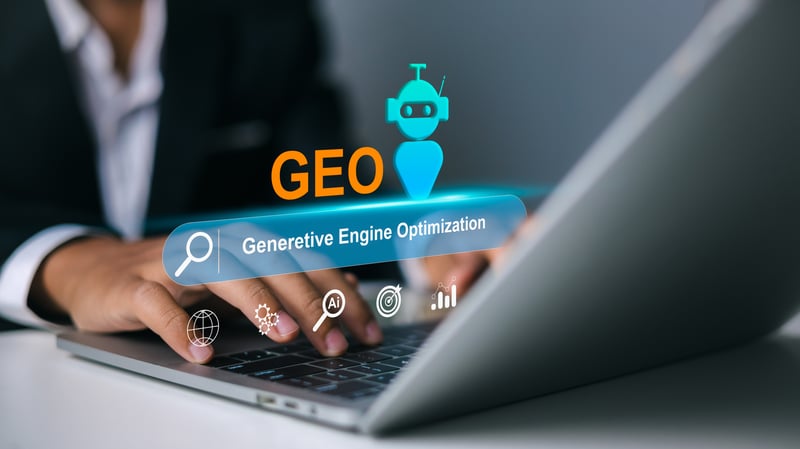
Generative Engine Optimization, or GEO, focuses on improving how brands appear inside AI-generated responses. Instead of pulling a single sentence or paragraph as a direct answer, generative AI systems analyze multiple sources and produce a synthesized explanation.
In this environment, the goal is not just to provide a short answer but to ensure your brand, expertise, or insights are included in the broader response created by the AI. GEO helps position content so it becomes part of the knowledge AI systems rely on when generating answers.
You will typically see this type of experience in conversational AI tools and generative search platforms. When users ask a question, the system may produce a detailed explanation rather than simply highlighting one website. The response is built from information gathered across many trusted sources.
Because of this, GEO strategies often focus on building strong topical authority and a wider digital footprint. Brands need consistent mentions across reputable websites, high-quality educational content, and well-structured information that AI systems can understand and reference.
In simple terms, if AEO focuses on becoming the answer, GEO focuses on becoming part of the explanation. Both approaches aim to improve visibility in AI-driven search experiences, but they influence different stages of how answers are generated and presented.
AEO vs GEO: Key Differences
|
Factor |
AEO (Answer Engine Optimization) |
GEO (Generative Engine Optimization) |
|
Primary Goal |
Provide a direct answer to a user's question |
Become part of AI-generated explanations and summaries |
|
Search Experience |
Featured snippets, voice search, answer boxes |
AI chat tools and generative search experiences |
|
Content Focus |
Clear, concise answers to specific queries |
Broad topical authority and contextual information |
|
Optimization Approach |
Structured content, question-based formatting, concise explanations |
Brand authority, knowledge coverage, and consistent references across the web |
|
Information Delivery |
Single extracted answer |
Synthesized response created from multiple sources |
|
Measurement of Success |
Featured snippet placements, answer box visibility |
Mentions, citations, or inclusion within AI-generated responses |
Although AEO and GEO are often mentioned together, they focus on different ways AI systems deliver information to users. Answer Engine Optimization is primarily concerned with helping content appear as a direct response to a specific question. Generative Engine Optimization, on the other hand, focuses on ensuring a brand's information becomes part of the broader explanation generated by AI tools.
In other words, the comparison between AEO vs GEO is less about choosing one strategy over the other and more about understanding how different AI systems retrieve and present information.
AEO should not be confused with AIO, which simply stands for AI Optimization. If you're feeling a little overwhelmed by this acronym explosion, have a look at this handy guide that compares SEO vs GEO vs AEO.
Where SEO Fits Into the AEO vs GEO Conversation

When discussing AEO vs. GEO, it is easy to assume these newer strategies are replacing traditional SEO. In reality, both AEO and GEO still depend heavily on strong SEO foundations. Without well-optimized websites and authoritative content, there would be little reliable information for answer engines or generative AI systems to use.
SEO plays the crucial role of making content discoverable and credible. Search engines crawl, index, and evaluate webpages before deciding which sources are trustworthy enough to surface in search results. These same signals often influence which sources AI systems consider reliable when generating answers.
For AEO, SEO ensures that content is visible and authoritative enough to be selected as a direct answer. Pages that rank well and clearly explain a topic are more likely to appear in featured snippets or answer boxes. In other words, strong SEO increases the chances that content becomes the answer.
For GEO, SEO helps build the authority and topical coverage that AI systems rely on when generating responses. When a brand consistently publishes high-quality content and earns mentions from reputable sources, it strengthens its presence in the broader knowledge ecosystem that AI models draw from.
Rather than viewing SEO, AEO, and GEO as separate disciplines, businesses benefit more from aligning them. SEO builds the foundation, AEO improves answer visibility, and GEO expands influence within AI-generated explanations. Together, they create a more resilient strategy for maintaining visibility as search continues to evolve. To know more about how SEO and GEO complement each other, have a look at this detailed guide to SEO and GEO we created.
When Should Businesses Focus on AEO vs GEO?
As AI-driven search continues to evolve, businesses are trying to understand where to prioritize their optimization efforts. The AEO vs GEO discussion often depends on the type of visibility a company wants to achieve and how users interact with AI-powered search tools.
While both approaches support AI discovery, they tend to be useful in slightly different situations.
1. Focus on AEO When Your Content Answers Specific Questions
AEO works best for question-driven searches where users want quick, direct answers. This includes queries such as definitions, comparisons, and "how to" topics.
Businesses that publish educational resources, product explanations, or FAQ-style content can benefit from AEO because answer engines often extract concise responses from well-structured pages.
2. Focus on GEO When Authority and Expertise Matter
GEO becomes more important when AI tools generate longer, synthesized explanations. Instead of pulling a single answer, generative systems combine information from multiple sources.
In these cases, brands with strong topical authority, consistent online mentions, and comprehensive content are more likely to be referenced in the AI-generated explanation.
3. Use AEO to Capture High-Intent Informational Searches
Answer engine optimization can help brands appear in featured snippets, answer boxes, and voice search results. These placements often appear for informational queries where users want fast answers.
Companies targeting educational or research-driven audiences often see strong benefits from AEO strategies.
4. Use GEO to Build Long-Term AI Visibility
Generative engine optimization focuses on strengthening a brand's presence across the broader digital ecosystem. This includes authoritative content, expert commentary, and mentions across trusted websites.
Over time, these signals increase the likelihood that AI systems recognize the brand as a credible source.
5. Most Businesses Benefit From Using Both
In reality, businesses rarely need to choose between AEO and GEO. AEO helps capture direct answers, while GEO strengthens authority within AI-generated explanations.
Organizations that combine both approaches are more likely to maintain visibility as AI continues to reshape how people search for and consume information.
Final Thoughts

The most effective strategy is not choosing between AEO and GEO but aligning them with strong SEO foundations. Clear content, structured information, and strong topical authority all increase the chances that your brand will appear in both answer engines and generative AI responses.
If your organization wants to prepare for the next evolution of search, working with the right team can make a big difference. Roketto helps businesses build future-ready inbound strategies that support SEO, AEO, and emerging AI-driven discovery. Get in touch with us today to know more.
Share This Article

2.png)
2.png)